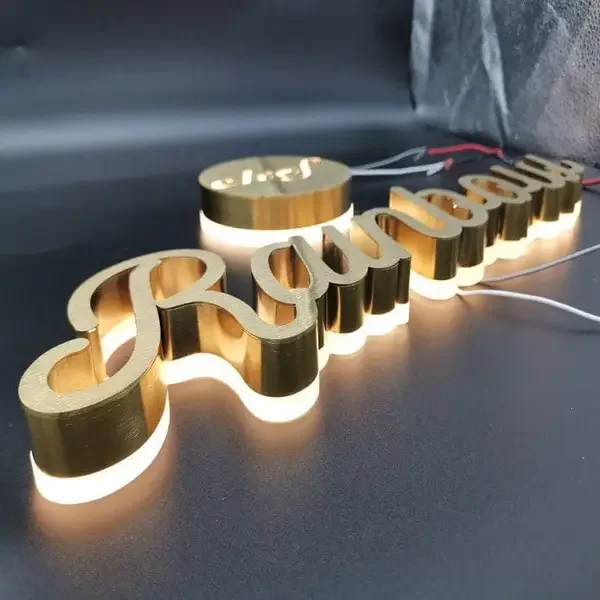
When ordering a replacement sign letter, identify the original order and the exact part being replaced. A photograph of the front is useful, but it may not establish the body, finish, fixing or lighting arrangement. Keep the replacement connected to the approved design record rather than describing it only as another letter like the old one.
Find the controlling reference
Collect the original item reference, drawing issue, dimensions and available quotation or component information. State which record reflects the product actually supplied if the design changed during review. If the original documentation is incomplete, list the missing information and ask what must be checked before a replacement can be confirmed.
The drawing revision checklist helps separate accepted and superseded issues. A replacement should not automatically follow the newest design file if the existing installed set was made to an earlier approved arrangement.
Compare more than the visible outline
Record the material, finish, body depth or thickness, mounting interface and any illumination requirement. Identify which parts must coordinate with the existing installation. Appearance and interface matching are related but separate tasks; a visually similar face may still describe a different supplied component.
| Replacement detail | Evidence to locate |
|---|---|
| Design and size | Original approved layout and part identity |
| Construction | Body or profile information |
| Finish | Identified reference or sample record |
| Mounting | Relevant original interface and current site review |
| Lighting | Included component information where applicable |
For metal bodies, compare the product construction options. For illuminated letters, use the channel letter range and identify the actual supplied scope rather than assuming a metal appearance establishes the internal arrangement.
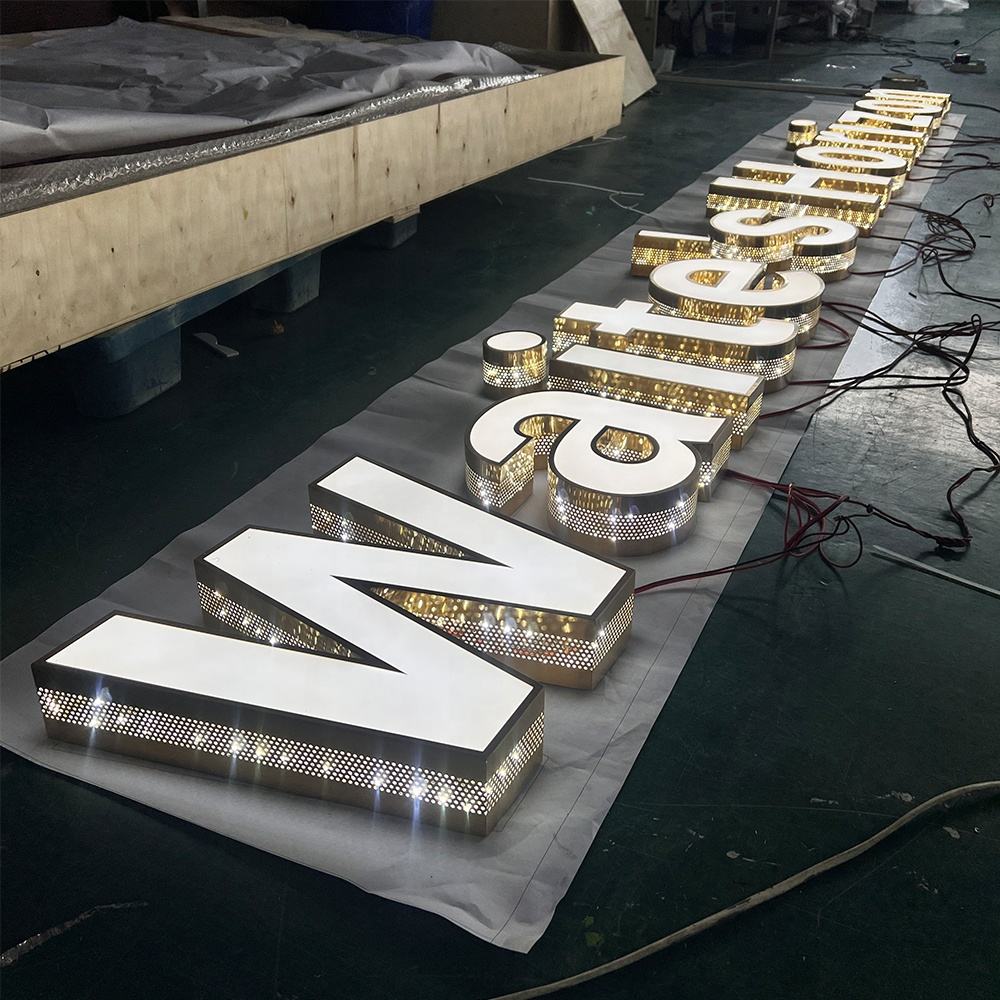
Review the current appearance and condition
The existing product may have changed in appearance during use. Explain whether the buyer wants to refer to the original approved finish or coordinate with the present installation, then ask what review is feasible. Do not promise an exact match from a screen image or assume that a new sample reproduces every effect of an aged surface.
| Decision | Question before ordering |
|---|---|
| Appearance basis | Original reference or current installed context? |
| Scope | One part, a complete letter or a full set? |
| Interface | What remains unchanged and what requires local review? |
| Approval | Which evidence closes the replacement decision? |
Use the stainless sample review where that material is involved. If original parts are unavailable or a different arrangement is proposed, identify the alternative explicitly before it is accepted.
Can a repeat order use the same specification automatically?
Refer to the original record, but confirm what is still applicable. Sizes, site conditions, components and destinations may differ. Ask the supplier to identify the specification being quoted and any proposed change. Keep the repeat order distinct enough that its contents and approval can be checked later.
What should the buyer send first?
Provide original references, photographs, dimensions, the affected part, required quantity and destination. Explain the desired appearance basis and the open matching questions. Use the packing and set identification guide for repeat sets and request the replacement offer with the available evidence.
References & further reading
External manufacturer or carrier guidance supports the terminology and general considerations discussed here. Their product specifications and policies are specific to their own services.