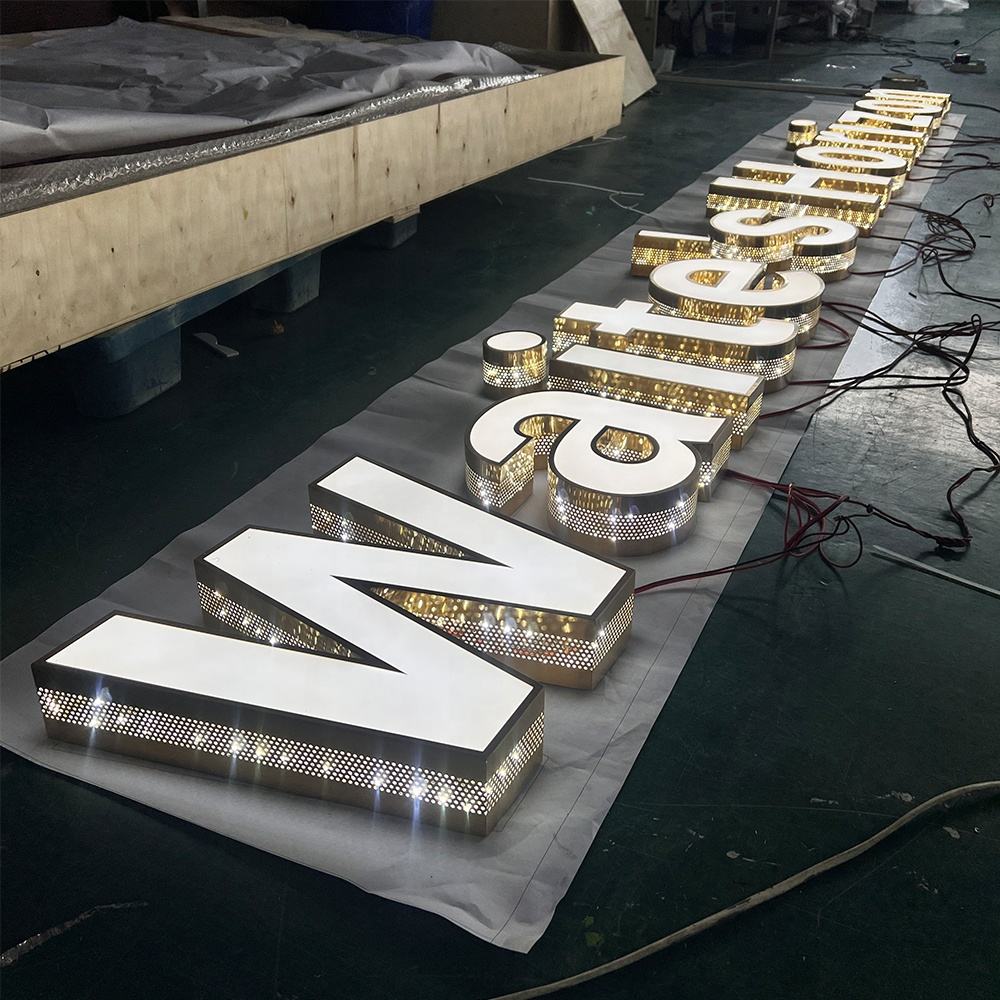
For a wholesale channel letter order, define a complete set before deciding how the parts will be identified and packed. A brand name may contain several letters, detached logo elements and supporting parts. The receiving team needs to connect those items to the approved layout without relying on a pile of similar photographs.
Define what one set contains
Record the wording or logo, drawing revision, dimensions and all separate elements. Distinguish complete sets from individual characters or replacement parts. If the order contains different sizes, use separate references even where the wording is identical. Keep any supplied power or mounting components listed as parts of the agreed offer, not assumed additions.
Connect the set definition to the custom channel letter quotation. If the mounting arrangement changes, update the component list as well as the drawing. The mounting comparison helps identify why two apparently similar sets may include different parts.
Choose an identification scheme before dispatch
Agree how the item reference will appear in the packing information. If characters repeat within one logo, identify their position where necessary. The scheme should help the local team associate a delivered part with its place in the approved design. It should not require them to interpret an unrelated manufacturing file.
| Packing reference | What it should connect |
|---|---|
| Set identity | Design, size and current drawing issue |
| Separate element | Its position in the approved layout |
| Supporting parts | The set or assembly they belong to |
| Package identity | Contents listed in the packing record |
| Destination | Receiving location for the identified set |
Carrier guidance recommends protecting individual contents appropriately, but it is not a ready-made packing design for every letter body. Agree the actual protection and package arrangement for the sign components being supplied.
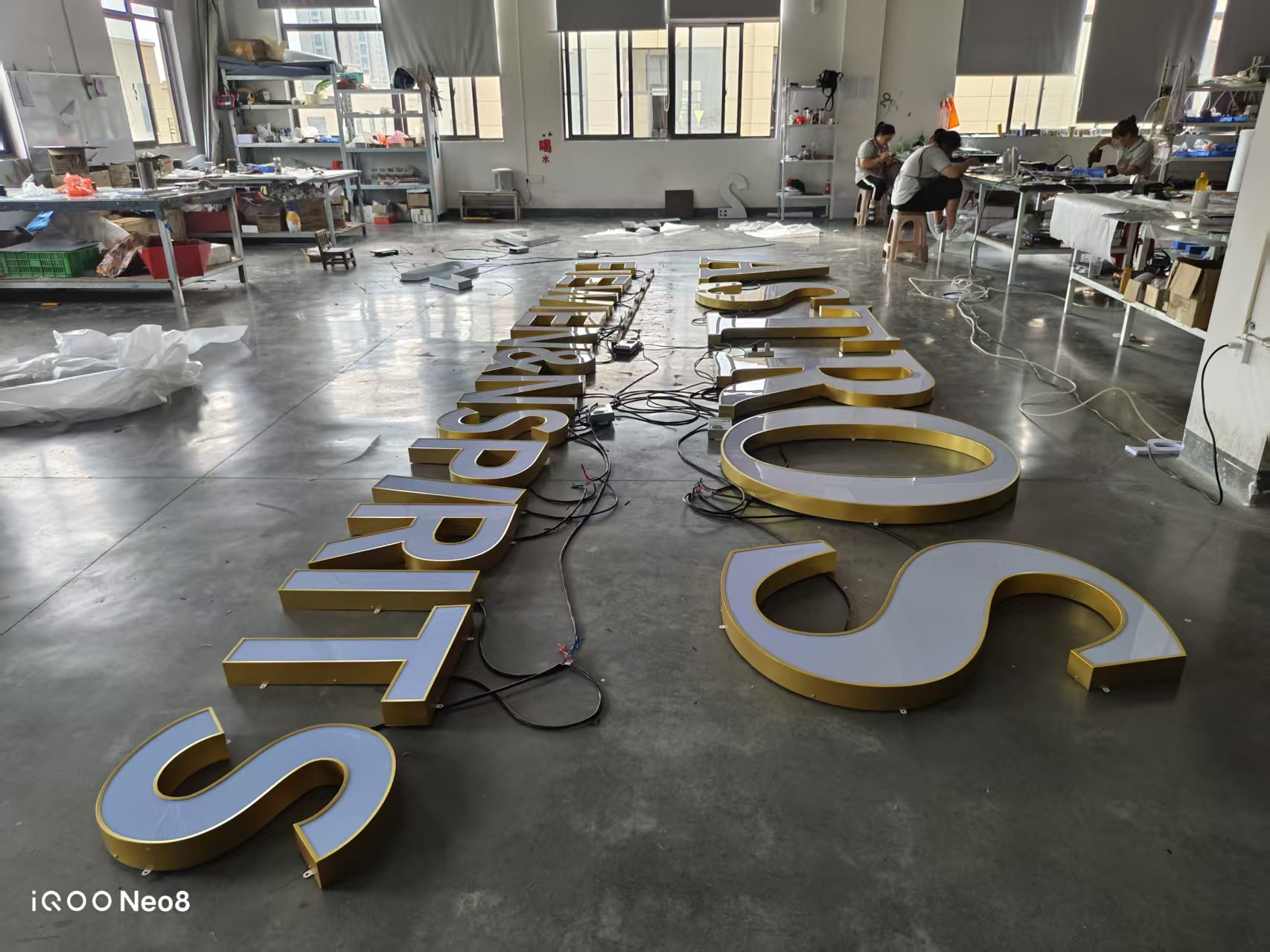
Make receiving a reconciliation task
The receiving team should have the packing list and approved set reference available when checking delivery. Record a missing item, damaged package or uncertain component against an identifiable reference. Avoid opening a general complaint that does not explain which design or set is affected.
| Receiving check | Useful record |
|---|---|
| Packages | Identifiers received and visible condition |
| Sets | Quantity assigned to each design |
| Parts | Differences from the agreed contents list |
| Questions | Photographs linked to the affected reference |
Do not treat unpacking as authority to alter components or proceed with an unresolved installation. Keep the drawing revision check with the receiving documents so the local team knows which issue controls the order.
What about spare letters or power components?
List them separately and identify the set, design or future use they support. A spare character is not necessarily interchangeable with every repeated character in another size or drawing issue. Confirm its specification and keep its packing reference distinct from the complete sets.
What starts the packing discussion?
Send the number of complete sets, artwork issues, size variations and destinations. Ask how the supplied components will be identified. Use the channel letter cost guide to confirm whether the quoted total includes the required packing and supporting parts, then send the trade enquiry with the set schedule.
References & further reading
External manufacturer or carrier guidance supports the terminology and general considerations discussed here. Their product specifications and policies are specific to their own services.