
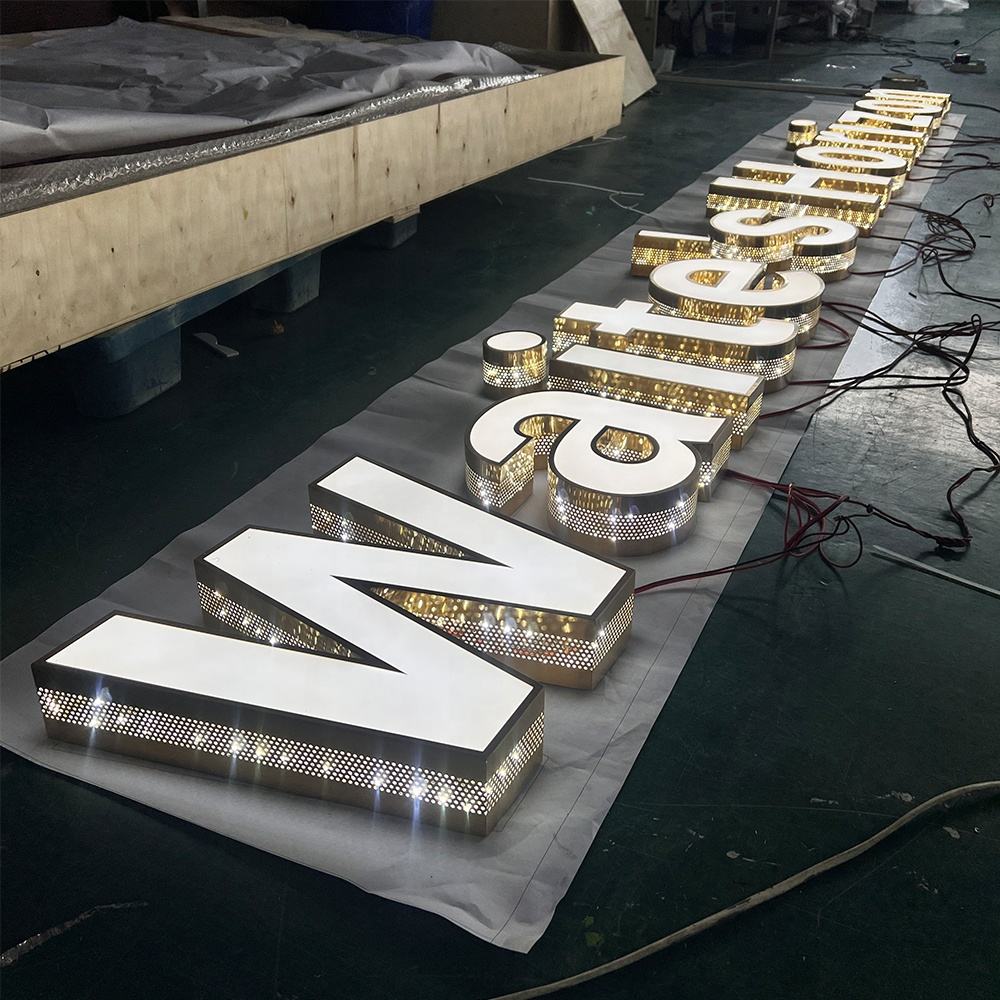
A logo letter set may include dots, accents and detached graphic parts in addition to its main characters. Identify them explicitly in the artwork and component list. They need a construction and handover review rather than being treated as insignificant details that will automatically be supplied and positioned correctly.
Review each detached part at its intended size
Mark separate elements on the artwork and provide the dimensions needed to understand them. Ask which parts require manufacturing review and whether any visible change is proposed. A small detail on a screen may need a different discussion from the main letter body, especially where lighting is intended.
The logo artwork guide explains the broader feasibility review. This article concentrates on the identity and control of the separate elements once they have been recognised.
Give the parts meaningful references
Choose references that connect each item to the approved layout. Where the same shape occurs more than once, state its location or relationship clearly enough for the receiving team. Keep the reference scheme with the drawing instead of introducing unrelated labels only at the packing stage.
| Element | Information to retain |
|---|---|
| Punctuation | Position, size and intended construction |
| Accent or detached mark | Relationship to its letter or wording |
| Separate logo shape | Identity and orientation in the layout |
| Repeated component | Quantity and locations where applicable |
| Supporting item | Association with the supplied assembly |
For illuminated elements, identify the lighting intention and relevant cable-access questions. Do not assume that every small part is independently lit or that every visual shape can use the same body arrangement.
Carry identification into the offer and packing
Ask the quotation to describe the complete supplied set, including the separate elements approved for manufacture. Reconcile the number of components with the drawing. At packing, connect the parts to the same set reference so the receiver can distinguish a small supplied item from a missing one.
| Stage | Check to perform |
|---|---|
| Artwork | Every detached element is visible and identified |
| Manufacturing review | Proposed changes are marked for approval |
| Offer | The complete set and included scope are defined |
| Packing | Small parts remain associated with their set |
| Receiving | Contents can be reconciled with the agreed list |
Use the wholesale packing guide to organise complete sets. The label should support the approved design, not require a local team to reconstruct the supplier's internal production logic.
What if a detached element changes after approval?
Identify the affected part and issue a revised drawing for review. Ask whether the change also affects lighting, fixing, quantity or packing. Do not send a replacement logo file without explaining which parts of the earlier order it supersedes.
What should the buyer provide?
Send outlined artwork, overall layout, dimensions for small elements, quantities and destination. Mark any detail still awaiting review. Use the channel letter product page and revision checklist before requesting the trade offer for the complete identified set.
References & further reading
External manufacturer or carrier guidance supports the terminology and general considerations discussed here. Their product specifications and policies are specific to their own services.