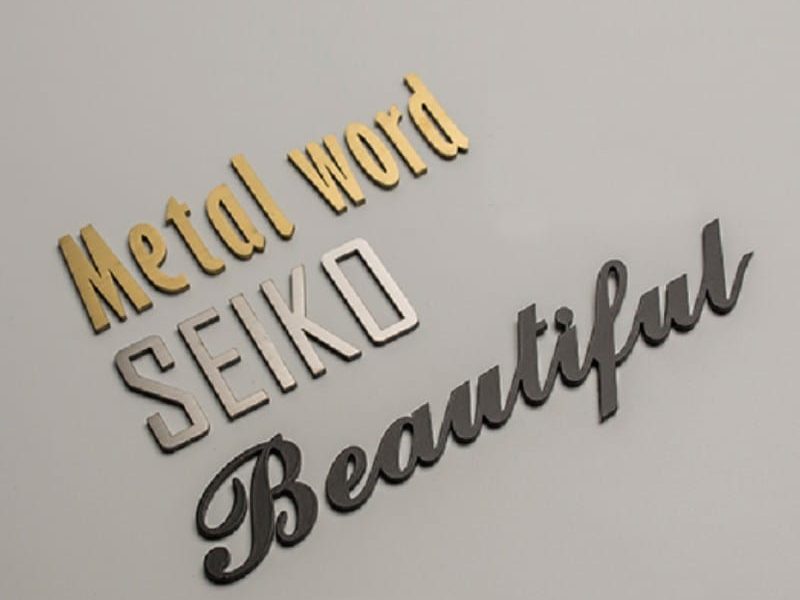
Flat-cut metal letters start with an outlined profile and material thickness. They differ from fabricated letters with assembled side returns. Keep cut thickness, overall letter height and any distance from the wall clearly separated on the drawing.
Prepare the cut profile
Use outlined artwork with closed shapes and the current revision identified. Include small openings, detached marks and holes that affect the design. Ask the manufacturing review to identify details that need adjustment rather than changing the artwork without an approval record.
Specify faces and edges
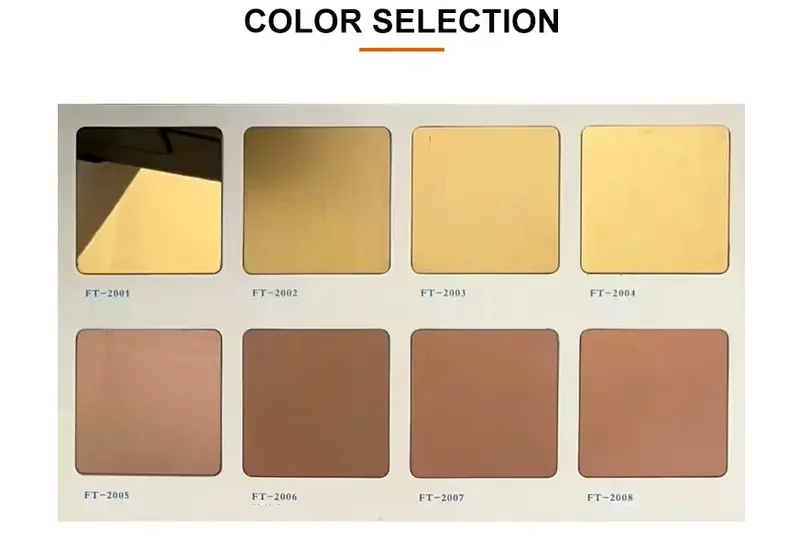
Record the actual metal and the desired surface process. A coloured or reflective reference does not establish the material grade. State whether visible edges require the same appearance as the face and agree a sample review when consistency is critical.
Coordinate holes and fixing
Identify the wall substrate, access and proposed mounting method with the responsible installer. Confirm whether drilling information, fixing parts or a positioning aid belong in the order. The offer should state that scope rather than assuming all installation items are included.
Compare built-up metal letters when body depth is important. For grade-specific requirements, use stainless steel sign letters; keep the finish brief with the artwork.