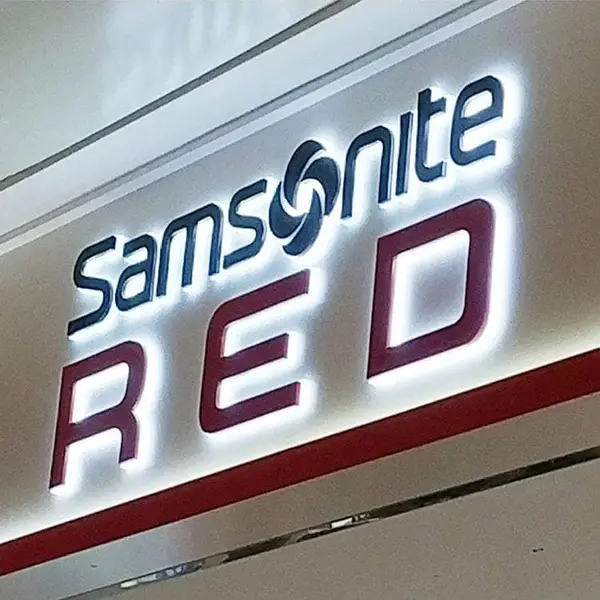
For stainless steel sign letters near the coast, describe the actual exposure before selecting the material specification. Include the sign's position, shelter, surface appearance and maintenance access. The word stainless is not a promise of identical performance in every environment, and a grade should not be selected from a colour photograph.
Describe the micro-location, not only the city
An entrance under an overhang and lettering exposed to different local conditions may need different review information even at the same property. Record the orientation, shelter, likely contaminants and the maintenance arrangement the project team can actually support. Provide photographs that show the setting rather than only an isolated logo.
Outokumpu's atmospheric-corrosion guidance identifies exposure conditions, contamination and surface characteristics as relevant considerations. That background supports asking better questions; it does not select a grade or certify a finished sign for this particular project.
Keep grade and appearance as separate decisions
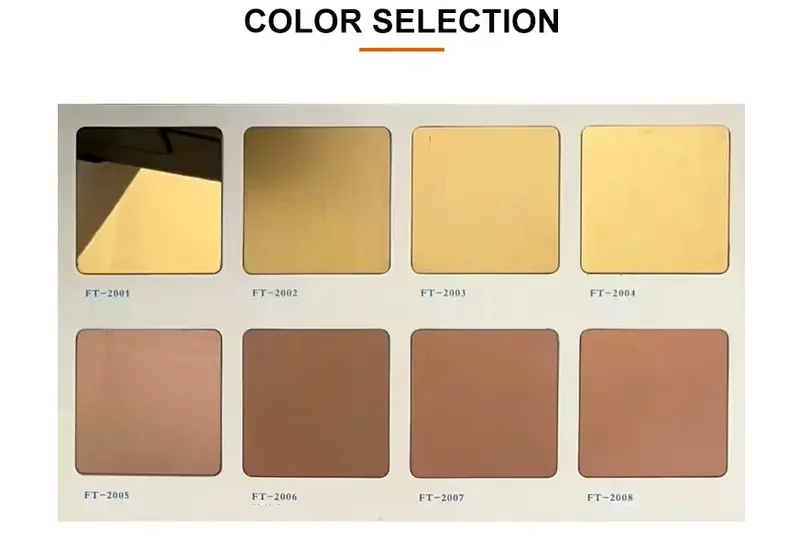
Record any required material grade and supporting evidence. Discuss the finish, construction and joins independently. A polished sample does not establish the alloy, and a grade description alone does not approve the complete visible appearance or the mounting interface.
| Topic | Information for the order review |
|---|---|
| Exposure | Actual position, shelter and relevant site conditions |
| Material | Requested grade and evidence to be agreed |
| Surface | Appearance reference and process under review |
| Construction | Flat-cut or fabricated body and visible interfaces |
| Maintenance | Practical access and responsibilities |
Use the stainless steel sign letter range and the sample approval guide to keep those decisions traceable. Do not extend a sample's appearance approval into an unsupported environmental performance promise.
Ask for a project-specific response
Provide the information to the manufacturer and relevant project professionals, then ask what specification and further review they propose. If alternative materials or finishes are suggested, request the reasoning and changed scope in writing. Keep uncertainties visible instead of treating a general statement of outdoor suitability as a complete answer.
| Response check | Question to retain |
|---|---|
| Material proposal | Which actual specification is offered? |
| Evidence | What documentation is included? |
| Appearance | Which sample or reference applies? |
| Responsibilities | Who reviews the site interface and maintenance? |
The flat-cut and fabricated comparison helps clarify construction, but it is not a corrosion assessment. Confirm the actual offer and applicable project requirements with the responsible reviewers.
Is there one grade that solves every coastal exposure?
Do not use a universal grade rule in place of a review. The site conditions, material, finish, construction and maintenance all need to be understood. This guide does not promise that a particular grade will never stain or corrode, and it does not provide a fixed service-life or assurance period.
What should the enquiry contain?
Send artwork, dimensions, quantities, destination, site photographs, known exposure information and material requirements. Identify any evidence or sample approval needed. Keep the finish brief with the records and request a reviewed trade quotation for that actual environment.
References & further reading
External manufacturer or carrier guidance supports the terminology and general considerations discussed here. Their product specifications and policies are specific to their own services.