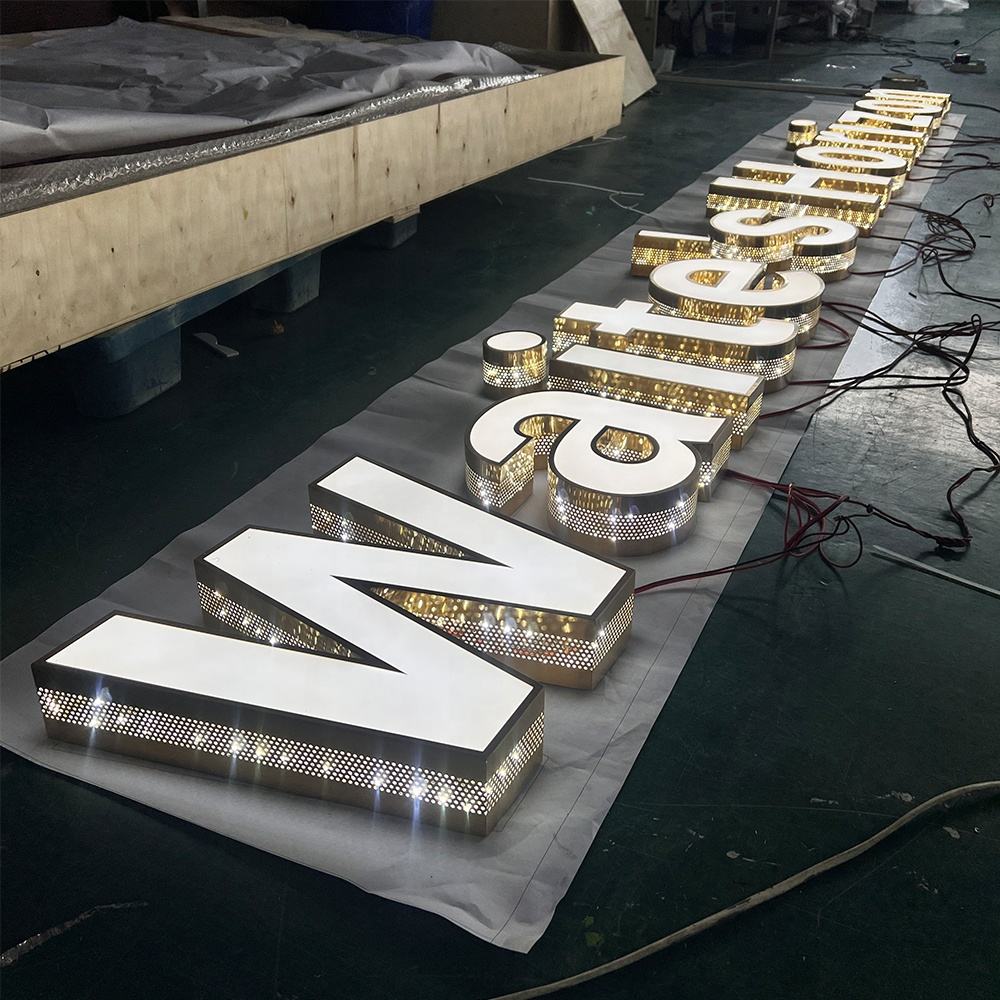
When comparing channel letter offers, ask which components are supplied and which documents relate to them. A useful record identifies the actual proposed items, their role and the order they belong to. A general brochure or a certificate for an unrelated product is not a complete description of the supplied letter set.
Start with the offer's component list
Separate the letter body, face, lighting, power components and mounting parts. Identify items supplied by the manufacturer and those to be provided locally. Ask the supplier to connect any proposed alternative to a revised list rather than changing an item silently under a generic description.
The channel letter cost guide helps make these scope differences visible. Documentation should explain the offer being compared, not become a substitute for defining what is included in the price.
Match each document to an identifiable item
Record the manufacturer, model or other useful product identity where relevant. Ask what a document covers and how it applies to the item proposed for the order. A component statement should not be extended to the whole finished sign, its building attachment or its local installation without the relevant review.
| Document question | What to identify |
|---|---|
| Product identity | The actual component or assembly concerned |
| Document scope | What information or statement it contains |
| Order relationship | Which supplied items use that component |
| Local review | Who checks suitability for the destination project |
| Changes | How an alternative component will be recorded |
Component manufacturers publish specifications, application information and other product records for their own devices. Use the actual proposed product's information. This guide does not certify a finished sign or state that a particular brand is included in an AOCHUANGSIGN order.

Keep evidence questions separate from installation decisions
The purchasing team can collect documents and identify gaps, while the responsible local professional reviews the actual installation requirements. Keep questions about power-component placement, connection, access and the building interface visible until the appropriate reviewer resolves them.
| Review package | Information to connect |
|---|---|
| Approved artwork | Dimensions and drawing issue |
| Supplied scope | Component list and included parts |
| Technical references | Documents linked to identified items |
| Site handover | Local responsibilities and unresolved interfaces |
Use the power and maintenance access guide when rear-light lettering is involved. A product record can support the discussion, but it does not remove the need to review the actual arrangement.
What if the supplier proposes a replacement component?
Ask for the new identity, relevant information and the effect on the agreed scope. Identify who must review the change before release. Do not assume that a similar appearance, output description or brand name makes two components interchangeable for every project.
What should be sent with the enquiry?
Provide the artwork, dimensions, lighting intention, quantities, destination and any established documentation requirements. Ask the supplier to identify unanswered questions early. Explore the custom channel letter range, retain the drawing revision record and request the defined component scope with the trade offer.
References & further reading
External manufacturer or carrier guidance supports the terminology and general considerations discussed here. Their product specifications and policies are specific to their own services.